Introduction
Most homeowners never think about their septic system until it forces them to. The truth is, septic tank problems don’t erupt overnight. They build slowly, through months of gurgling drains ignored, occasional foul smells, and patches of spongy ground near the yard. By the time the damage becomes visible, the system has often been failing for a long time. What could have been a routine septic pumping appointment turns into an excavation project. A simple septic inspection skipped to save time ends up costing far more in emergency septic system repair. Homeowners in Salem, Eugene, Florence, and Springfield, OR, don’t have to reach that point, and with Best Septic Tank Pumping, they don’t.
This blog breaks down the septic problems most homeowners overlook, the real damage they cause, and why staying ahead of septic system maintenance is always the smarter choice.
Common Small Septic Problems Homeowners Ignore q
Not all septic warning signs are dramatic. They mostly appear like common, low-priority household irritations. And that’s exactly why they are ignored.
The Signs That Seem Minor But Aren’t
- Slow-draining fixtures: One slow sink could be a localized clog. Multiple slow fixtures draining at once almost always point to a filling or blocked septic tank.
- Gurgling sounds after flushing: Your pipes shouldn’t make noise after a flush. When they do, it usually means air is being pushed back through the system because something downstream is blocked or the tank is running out of room.
- Faint sewage odors outside: A functioning septic system stays sealed. If you’re catching a smell near the yard, even occasionally, gas is escaping somewhere it shouldn’t be.
- Unusually green or lush grass over the drain field: Nutrient-rich effluent leaking into the soil creates this effect. It is not a good sign.
- Soft or soggy ground near the tank: Early-stage drain field saturation looks exactly like this before it becomes a full overflow.
It’s easy to dismiss all these signs. None of them is safe to ignore.
Property Damage Risks Caused by Septic System Failure
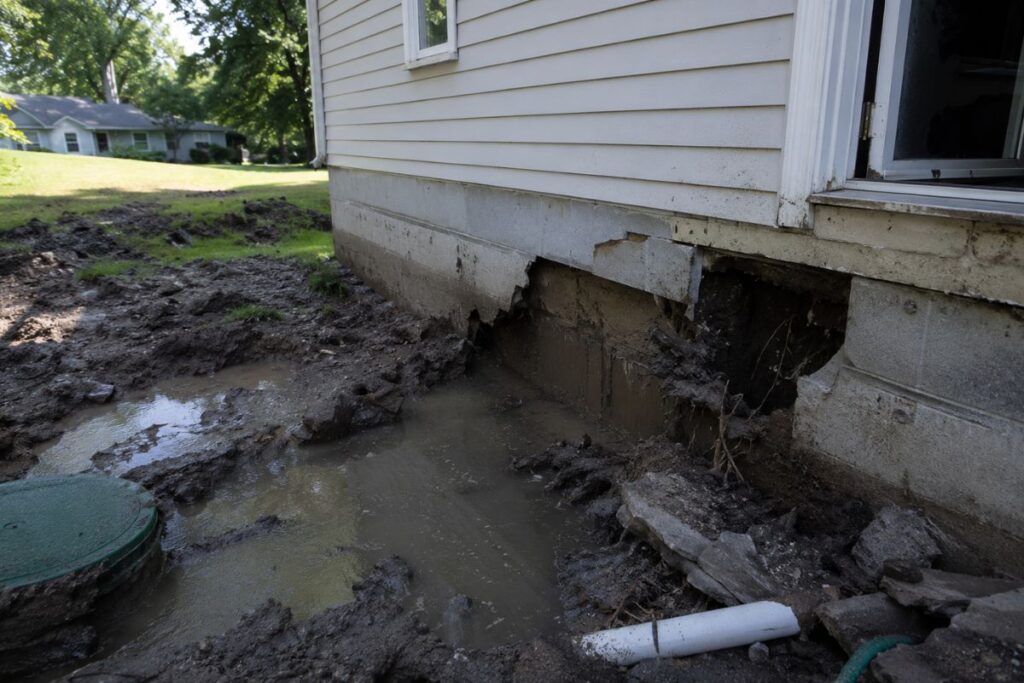
Here’s what most homeowners don’t realize: a failing septic system doesn’t just create a plumbing problem. It’s a property issue, an issue of the house’s structure, the health of the yard, and the safety of the water supply.
What Actually Happens When a System Fails
Across the country, failing septic systems are responsible for releasing more than 4 billion gallons of wastewater into the ground every day, according to U.S. Environmental Protection Agency estimates. A good portion of that comes from systems that had early warning signs that were simply ignored.
| Damage Type | What It Means for Your Property |
| Drain field saturation | Sewage surfaces in the yard; drain field may need full replacement |
| Foundation moisture damage | Prolonged soil saturation weakens the ground supporting your home’s base |
| Groundwater contamination | Pathogens enter nearby wells, creating serious health and legal risk |
| Interior sewage backup | Raw waste enters the home through floor drains or toilets |
| Landscaping destruction | Effluent kills vegetation; full yard restoration may be required |
When things go terribly wrong, septic system repair usually requires digging out and replacing the system, and in some counties, local health authorities have to be involved. There is no cheap, quick, convenient version of this.
A septic system doesn’t fail all at once. It fails one ignored problem at a time.
Red Flags That Signal Septic System Trouble
Some symptoms go beyond early warning; they tell you the system is already failing. Even a few days of waiting can do a lot of damage at this stage.
- Raw sewage surfacing in the yard: The tank is overflowing. This is an emergency.
- Multiple drains backing up at once: When two or three fixtures start backing up around the same time, the problem isn’t the drain; it’s the septic tank itself. Blockages this widespread don’t happen by coincidence.
- Persistent sewage smell inside the home: If the odor has moved indoors, gases have already breached the system. That’s a health concern, not just a plumbing one, and it needs to be treated as such.
- Standing water near the septic lid: The ground around an intact tank should always be dry.
- Toilets that won’t flush at normal pressure: Waste has nowhere to go when the system is full or blocked.
These are not situations for a wait-and-see approach. Our team at Best Septic Tank Pumping responds to emergency calls across Eugene, Florence, Salem, and Springfield, OR, because some problems simply cannot wait.
Why Routine Septic Maintenance Is Important
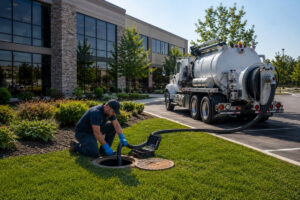
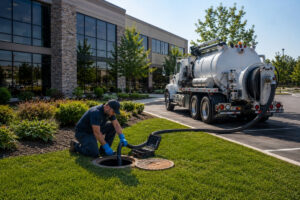
Septic tank maintenance isn’t reactive; it’s protective. The whole point of staying on a regular service schedule is to stop the failure described above from ever happening.
A well-maintained septic system lasts 25 to 30 years. Without routine care, that lifespan shortens considerably, and the deterioration rarely announces itself until it’s already advanced. The EPA recommends septic pumping every three to five years for a typical household, a straightforward interval that prevents sludge from building up and pushing solids into the drain field, which is the most expensive component of the system to replace.
Routine septic tank cleaning and septic system maintenance also matter at the time of a home sale. Properties with known maintenance histories sell more quickly and have more value, as buyers know they are not taking on a hidden liability.
The Benefits of Professional Septic Services
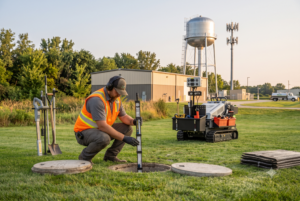
Residential septic services from a trained professional do something no DIY approach can: they give you an accurate picture of what’s actually happening underground.
Why Professional Evaluation Changes Everything
There are three very different things that could be meant by a soggy yard: a full tank, a broken pipe, or a failing drain field. Without a proper septic inspection, there’s no way to know which one you’re dealing with, and treating the wrong problem wastes both time and money.
Professional septic repair services also ensure compliance with local regulations in Lane, Marion, Polk, and Douglas counties, where requirements for septic service and inspections are specific and enforced.
At Best Septic Tank Pumping, we bring the equipment, the training, and the experience to handle everything from routine septic tank maintenance to full septic system repair, serving homeowners across Salem, Eugene, Florence, and Springfield, OR with honest evaluations and solutions that actually last.
Routine maintenance is a scheduled appointment. Emergency repair is an unscheduled crisis. You choose which one happens.
Don’t Let a Small Problem Write a Large Check
Septic systems fail over time, and the homeowners who suffer the most are almost always those who saw the early signs and chose to wait. A slow drain ignored for six months becomes a backed-up system. A faint odor dismissed for a year becomes a contaminated drain field. None of it is inevitable, and all of it is preventable with consistent septic tank maintenance and timely septic repair services.
At Best Septic Tank Pumping, residential septic services are what we’ve built our reputation on, across Salem, Eugene, Florence, and Springfield, OR. Whether a customer calls us for scheduled septic pumping, septic tank cleaning, a detailed septic inspection, or an emergency septic system repair, they get the same thing every time: a crew that shows up prepared, gives honest answers, and gets the job done right. That’s the standard we hold ourselves to on every single job.
Don’t wait for the warning sign to turn into a catastrophe. Call Best Septic Tank Pumping today at (541) 484-0844 to schedule your septic inspection or septic system maintenance appointment, and give your property the protection it deserves.