Anyone who lives in the Willamette Valley or on the Lane County coast knows what a wet winter looks like. The rain stays for days, and the yard never quite dries out between storms. Somewhere under that soggy lawn sits your septic tank, and it is fair to ask whether all that water is making its job harder.
The short answer is yes. Owners of a septic tank in Salem, a septic tank in Eugene, or a septic tank in Springfield, OR property usually notice it first as slow drains, a gurgling toilet, or a patch of yard that stays soft long after the storm has passed.
This blog explains why rain and septic systems behave this way, how to tell when your septic system needs attention after heavy rain, and what Best Septic Tank Pumping can do. We are a locally owned, family-owned company, and we would rather you hear it from us before a backup happens.
What Happens to the Ground After Heavy Rain?
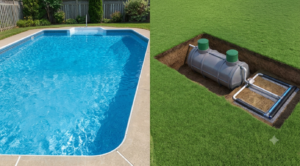
During a long storm, the ground around your home takes in as much water as it can hold, and then the water table starts to climb. That water presses against the walls of your tank and sits beneath your drainfield, which is why septic tank groundwater becomes a real concern in the wettest months.
Your drainfield works by letting liquid from the tank soak into the soil. When the soil is already full, that cannot happen. This is what a soil saturation septic system problem looks like. The tank keeps sending liquid out, and the ground has no room left to take it.
The effect shows up differently depending on where you live:
- Along the coast near Florence and Dunes City, steady rain keeps the ground damp for long stretches, so a septic tank Florence owners look after may sit in wet soil for most of the season.
- In Salem and West Salem, winter storms leave yards soft for days, and a septic tank Salem homeowners rely on can stay saturated even after the sky clears.
- In Eugene, Springfield, and Junction City, the ground fills quickly once the rains settle in, which puts extra load on any septic tank Eugene or septic tank Springfield, OR residents use.
How Heavy Rain Can Affect a Septic System
Rain never reaches your tank through the plumbing. Instead, it changes the ground around the system, and the system responds in several ways.
- The drainfield absorbs less. After heavy rain, a septic drainfield handles liquid far more slowly than in dry weather.
- Wastewater can back up. If liquid cannot leave the tank, it may rise into the lowest drains and toilets in your home.
- Odors can develop. Liquid that lingers near the surface can give off a smell you notice in the yard and around the tank.
- The tank is under pressure. Septic tank groundwater pushes against it from the outside until the soil drains.
- Daily habits keep adding water. Laundry and showers carry on through a storm, and every load goes into a system with little room left.
An overdue tank has the hardest time. Solid waste builds up over the years and can lead to clogs, backups, and eventually system failure, so wet weather often exposes a neglected tank first.
Signs Your Septic System May Be Struggling After Heavy Rain
Small warning signs usually come before a larger failure. This table shows what to look for and what to do next.
| Warning Sign | What It Often Means | Recommended Action |
| Slow drains | Water is not leaving the system freely | Cut back on water use and schedule an inspection |
| Sewage backups | Wastewater cannot leave the tank | Call for emergency service |
| Foul odors | Liquid is collecting near the surface | Contact us right away |
| Lush grass over the drainfield | Extra liquid is reaching the drainfield area | Request an inspection and evaluation |
One sign alone is worth a phone call. When two or more appear together, please do not wait.
Does Heavy Rain Mean Your Septic Tank Needs to Be Pumped?
Not by itself. A storm does not fill your tank with waste, and pumping cannot dry out the soil around your drainfield. The ground needs time to recover either way.
Pumping becomes the right answer in a few situations:
- Routine pumping is already due
- Slow drains, backups, or odors continue after the rain has stopped
- An inspection shows a heavy buildup of waste
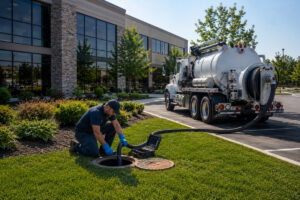
Regular pumping extends your tank’s life and protects your family’s health. Our vacuum trucks remove the waste and debris that have collected, and we clean the tank thoroughly before we leave. Septic tank additives are no substitute for pumping. If you are not sure which situation applies to you, we can inspect and evaluate the system and tell you plainly.
What Should You Do After Heavy Rain?
After heavy rain, your septic system needs time to catch up as the ground dries out. These steps help the most:
- Space out laundry and long showers over several days.
- Keep grease, wipes, chemicals, and anything that does not break down out of your drains.
- After heavy rain, walk out to the septic drainfield and look it over. Soft ground, odors, and unusually lush grass can all point to a soil saturation septic system problem.
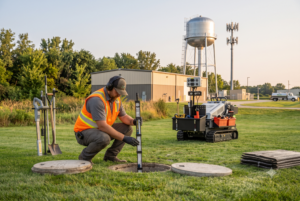
- Make sure your lids can be found. If they are buried, our locating service and digging service get us to the tank quickly, and risers keep future access easy.
- Book an inspection once the weather settles, so you know the system recovered properly.
When Should You Call a Septic Professional After Heavy Rain?
Call us if you see any of the following:
- Sewage backing up inside your home
- Strong odors near the tank or drainfield
- Slow drains that stay slow after the ground has dried
- Soft ground or lush grass over the drainfield
Best Septic Tank Pumping is a full-service company for homes and businesses, and our emergency service is available around the clock. We handle pumping, inspections and evaluations, and home sale inspections. We also do repairs and maintenance, installation, risers, and locating. We also provide commercial septic service and grease trap pumping.
Our crews cover South Linn, South Benton, Polk North, Marion, Douglas, and all of Lane County. A septic tank in Florence near the coast and a septic tank in Salem in the valley sit in different soil and face different problems, so we listen first and recommend what fits your property. You work with the same friendly team from the first phone call to the end of the job.
Is your system struggling after the rain? Contact Best Septic Tank Pumping today and let our team take a look.
Get Your System Ready Before the Next Storm
The wet season comes back every year, but surprise backups do not have to. Watch for slow drains, odors, and soft ground, keep an eye on your drainfield, and schedule pumping and inspections before the rain starts again. Those habits spare you an emergency repair.
Rain and septic systems share the same ground each winter.
If you own a septic tank in Eugene or Springfield, OR, and want a professional opinion, reach out through our contact page, and we will take it from there.