An Introduction
Most people who own a home don’t think about their septic system until it breaks down. When it does happen, the damage isn’t just annoying; it’s also costly, disruptive, and often completely avoidable. Over time, solid waste builds up quietly, making it harder to get to, and people skip routine maintenance because they don’t want to dig up the yard. That cycle of neglect is what makes a simple pump-out turn into a full system replacement. We’ve seen it happen more times than we’d like at Best Septic Tank Pumping, and we’re here to make sure it doesn’t happen to you.
This blog explains how septic risers work, why they are important, and how much money they can save you over time. If you have a septic system in your home, you should read this all the way through.
What Septic Risers Do and Why Tanks Need Them
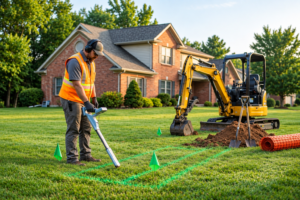
Most septic tanks are buried several feet below the surface, and the lids are made of concrete or plastic. Before a technician can get to the equipment for pumping, inspecting, or fixing, they have to dig up the ground every time they come. That adds time, cost, and wear to your property on every single visit.
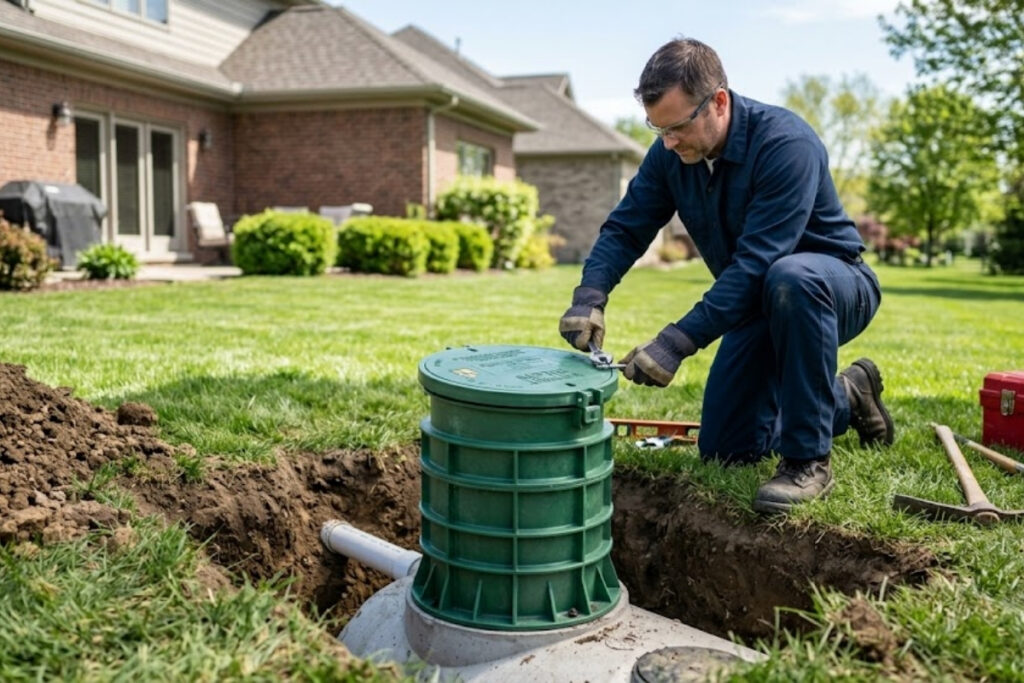
A septic riser is a vertical pipe that goes up from the top of the tank’s access point to the ground. It’s an easy fix that will have a big effect in the long run.
The Real Cost of Inaccessible Tanks
Without easy septic access, maintenance becomes inconvenient enough that homeowners start skipping it. When you don’t do regular maintenance, sludge builds up to dangerous levels, the drain field gets too full, and the balance of bacteria inside the tank gets messed up. The EPA says that a septic system that is taken care of properly can last for 25 to 30 years. Those that aren’t taken care of well often don’t last even half as long.
Septic risers’ benefits include more than just convenience; they also get rid of the things that cause people to neglect their systems in the first place.
Why Many Older Septic Systems Lack Easy Access
You don’t upgrade a septic riser because something went wrong. You upgrade it because something eventually will, and how prepared you are determines what that costs you.
Installation Types and Longevity Factors
The type of tank you have, the condition of the soil, and how the area around your system is used all affect which riser you should choose. Knowing what your options are will help you make a better choice that lasts longer.
Polyethylene vs. Concrete Risers
| Feature | Polyethylene | Concrete |
| Weight | Lightweight | Heavy |
| Corrosion Resistance | Excellent | Moderate |
| Best For | Residential use | High-traffic areas |
| Lifespan | 30–50 years | Long but can crack |
| Installation Ease | Simple | Labor-intensive |
Polyethylene risers are the most common type of riser used in homes today for a good reason: they’re strong, watertight when sealed properly, and won’t crack concrete over time when the ground shifts.
What Actually Determines Riser Longevity
- A proper watertight seal between the riser and tank lid prevents groundwater from diluting tank contents
- Secure, child-safe lids prevent accidents and unauthorized access
- Correct installation height, flush with or just above ground level, makes it easy to find and get to the tank.
Riser installation ROI isn’t just a risk. It’s a straightforward equation: paying one fee up front means you won’t have to pay for excavation work on any future service visits.
Maintenance to Maximize Benefits
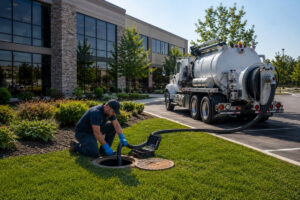
A riser doesn’t do the work for you; it makes sure you do it. Accessibility gets rid of the most common reason people give for skipping regular service.
How Regular Inspections Protect Your System
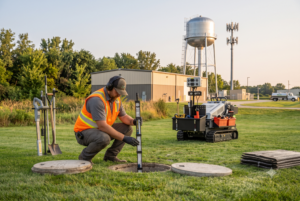
Routine inspections catch problems before they become emergencies. A technician with easy septic access can accurately measure the layers of sludge and scum, check the inlet and outlet baffles, and spot early signs of drain field stress in a fraction of the time it takes with a buried lid. Finding a failing baffles early can make a huge difference in how much work needs to be done to fix it, compared to finding a saturated drain field late.
Here’s what a proper inspection covers:
- Sludge and scum layer measurements
- Inlet and outlet baffle condition
- Tank lid and riser seal integrity
- Signs of root intrusion or ground shifting
- Drain field performance indicators
Septic Pumping Savings That Compound Over Time
Every service visit that doesn’t require excavation is money you keep. Over the course of a system’s life, the septic maintenance cost add up to a lot of money. Risers permanently get rid of a part of these costs. The septic riser savings aren’t just a one-time thing; they get bigger every time your tank is serviced.
When to Upgrade Existing Systems
Signs Your Septic System May Be Hard to Maintain
If any of these things are true for you, it’s time to talk to a professional:
- Your technician digs every single visit with no permanent lid access
- You’ve postponed pumping because it felt too disruptive
- You don’t know exactly where your tank lids are located
- Your yard shows repeated damage after service visits
- You’re preparing to sell your home and want a clean inspection
How Small Improvements Prevent Big Expenses
Septic riser upgrades are one of the few home improvements that pay for themselves quickly and keep paying. If you keep using buried lids, you’ll have to keep digging, which will cost you more money, damage your yard, and make it much more likely that you won’t do maintenance. When you don’t do maintenance, you know what will happen: the system will break down, the drain field will need to be replaced, or both.
Septic tank protection doesn’t require dramatic action. Often, it just requires making the right small upgrade before a problem forces your hand.
Landscaping Damage During Septic Maintenance: A Hidden Cost
Every excavation disturbs soil, disrupts grass, and can damage nearby plant roots or landscaping features. Over the years, this adds up to real damage to the look and structure of the building. Risers get rid of this completely. Technicians just walk up, open the lid, and get to work. No shovels, no ripped-up grass, and no need for repairs after.
A buried septic lid isn’t just inconvenient; it’s a financial liability you’re paying for every time someone has to dig it up.
Making the Right Move for Your Septic System
Septic risers are not a luxury upgrade. They’re a practical, high-return investment that directly influences your septic tank lifespan, reduces septic maintenance costs, and creates the conditions for consistent, effective care. The septic risers benefit last for the life of your system and include fewer interruptions, lower bills, easier access, and a healthier tank overall. If you want to genuinely extend septic life, the path forward starts with making your system easy to reach.
At Best Septic Tank Pumping, we specialize in septic riser upgrades and complete septic system care across Salem, Eugene, Florence, and Springfield, OR. Our skilled team can do anything from installing risers to full system inspections, with honest communication, fair pricing, and workmanship that holds up. We make sure that the riser is sealed properly, set at the right height, and built to last when we put it in. That’s not a claim; it’s what our customers in Lane County expect from us.
To schedule your riser installation or discuss your system’s needs, call us today at (541) 484-0844. Don’t wait for your system to show signs of stress before taking action; by then, the cost of waiting is already built in. The right time to upgrade is now, and our team is ready to help you get it done properly.