Every homeowner with a septic system eventually has to ask themselves a very important question: How long will my tank last? It’s not just about making things easier; it’s also about keeping your home, your family’s health, and your money safe. When a septic tank stops working, it doesn’t give you much time to fix it before it causes big problems. Sewage backups, contaminated groundwater, and drain field failures can happen faster than you think. When these problems happen, they can be bad for your health, damage your property, and cause a lot of stress. With the right information and care from professionals like Best Septic Tank, you can avoid these problems completely and get the most out of your system’s life by pumping in the Salem, Eugene, and Florence areas.
This blog discusses how long a septic tank lasts. We’ll talk about how long different materials last, what affects their lifespan, signs that they are about to fail, and useful tips for keeping your system running well for many years. It doesn’t matter if you live in Salem, Eugene, Florence, or anywhere else in the Willamette Valley; you need to know how your septic system works.
Average Septic Tank Lifespan by Material
Not all septic tanks are built the same. The material makes a huge difference in how long your system serves you.
- Concrete Septic Tanks are the workhorses of the industry. Most concrete tanks last 40 to 50 years when properly cared for. Some well-maintained systems push past 60 years. They’re durable and reliable, though ground movement and acidic wastewater eventually cause cracks.
- Steel Septic Tanks have the shortest run. Expect 15 to 20 years maximum before rust takes over. The acidic environment inside speeds up corrosion, which makes steel less appealing as a long-term choice for septic Salem installations.
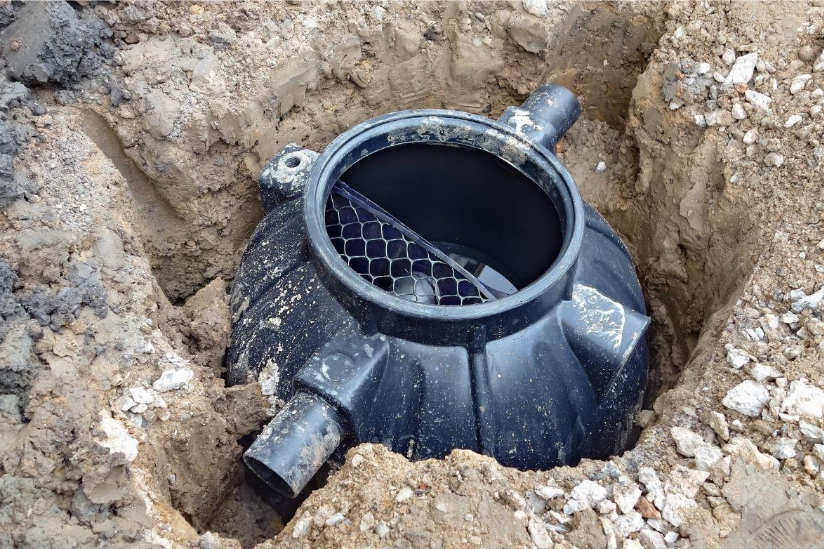
- Plastic and Fiberglass Tanks hit a sweet spot with 30 to 40 years of service, sometimes more. They resist rust and cracking better than older materials. They’re lighter, easier to put in, and more and more people are using them to replace septic tanks in Eugene.
| Material | Lifespan | Main Advantage | Main Drawback |
| Concrete | 40-50 years | Very durable | Can crack over time |
| Steel | 15-20 years | Lower upfront cost | Rusts quickly |
| Plastic/Fiberglass | 30-40+ years | Rust-proof | Can shift in poor soil |
Important Factors That Affect Septic Tank Lifespan
The material of your tank is just the beginning. There are a few other things that will affect how long your system will last.
- Soil and Water Conditions matter more than most people think. High water tables can float or shift tanks, which causes structural Damage. Acidic soil eats away at concrete and steel faster. Good drainage and stable soil help your septic system in Florence last longer.
- Installation Quality sets the foundation for everything. If you don’t install your tank correctly, it can last half as long as it should, even if you use high-quality materials. At Best Septic Tank Pumping, we make sure that every installation meets professional standards. You must backfill correctly, place things correctly, and have enough bedding.
- Regular maintenance is the biggest factor you actually control. Pumping every 3-5 years keeps solids from building up and damaging your system. Skip maintenance, and you’re basically asking for early failure. Our customers who stick to regular schedules consistently get more years from their tanks.
- Usage Patterns are also very important. It all adds up: the size of your home, how much water you use, and what goes down your drains. Putting too much in a small tank or dumping harsh chemicals in it will make it last a lot less time.
Warning Signs Your Septic Tank Needs Replacement
Finding problems early keeps you from having to deal with them. Keep an eye out for these things:
- Persistent backups even after pumping are a sign of serious trouble. If your drains are still slow or your toilets keep backing up, your septic tank in Salem might have cracks or other structural problems that pumping can’t fix.
- Standing Water over your drain field is an indicator that your system isn’t processing waste properly anymore. If there are wet spots or water pooling around the tank area, there may be leaks or the tank may be completely broken.
- Foul Odors that won’t go away could be a leak or a system failure. It’s normal for some smells to happen while pumping, but if you smell sewage all the time around your property, something is definitely wrong.
- Extra Green Grass over your drain field isn’t actually a good sign. It means sewage is leaking into your soil, which creates health risks and environmental problems.
- Age is a factor you really can’t ignore. Steel tanks over 15 years old and concrete tanks over 40 years old need thorough professional inspection, even when they seem fine.
- Visible Damage, such as rust, cracks, or shifting, needs attention right away. If you inspect regularly, these problems can be prevented from turning into major issues.
When Should You Replace Your Septic Tank?
Timing matters. Here’s when replacement actually makes sense:
Replace age-appropriate systems proactively. When steel tanks hit 15 years, concrete tanks reach 40 years, or plastic tanks approach 30 years, start planning. Scheduled replacement beats emergency replacement every single time.
- Major structural Damage is non-negotiable. It’s time to get a new tank if there are big cracks, parts that have fallen off, or bad corrosion. For septic tanks in Florence systems, it often costs more to fix them over and over than to replace them.
- Property changes like adding more rooms or expanding your family will need a larger system. Upgrading makes sure your system can handle the load and stops problems from happening in the future.
- Repeated failures, even after maintenance, mean it has reached its limit. Getting a new one is the best thing to do if you have to deal with repairs and backups all the time.
- Real estate transactions often need system checks. If big problems come up, you might need to replace something so the sale can go smoothly.
The Septic Tank Replacement Process
You will be well prepared if you know how the process works. Below is the detailed process of replacing septic systems in Eugene:
- The starting point of the process is a thorough inspection of your septic system. This includes pumping, observing the area, and checking the condition of the drain field. We check the soil and determine the best tank size for your needs..
- Next comes permitting. We handle all paperwork with local health departments across South Linn, South Benton, Marion, Polk North, Douglas, and Lane County.
- Excavation is done carefully with the right equipment. We safely take out the old tank and throw it away in the right way. This usually takes one to two days.
- Installation basically makes sure that the bedding is right, the pipes are in the proper place, and all the connections are correct. We always get the best results as we don’t compromise on tools and experience.
- Lastly, we take a test and fill in the gaps. We check all the connections first, then fill in the holes and grade the area to make sure the water drains properly.
Most replacements take three to five days from start to finish. We are open about our prices and do high-quality work all the time.
How to Extend Your Septic Tank Lifespan
These clever habits can definitely increase the lifespan of your system:
- Pump every 3-5 years, depending upon your household size
- Conserve water by installing low-flow fixtures and dividing laundry loads throughout the week
- Protect the system by avoiding parking heavy vehicles and driving over the drain field
- Watch what goes down drains; only human waste and toilet paper are safe for your septic system
- Use septic-safe products that are not bad for beneficial bacteria
- Schedule inspections every 1-3 years to detect problems at the right time
At Best Septic Tank Pumping, we help our customers create maintenance plans that suit them best. Regular maintenance can help you avoid most problems with your septic system.
Making Your Septic Investment Last
In short, the three things that really affect how long your septic tank lasts are what it’s made of, how well you maintain it, and how you use it every day. Concrete tanks might give you 40-50 good years, while steel tanks typically call it quits around 15-20 years. Knowing what you’ve got and what to expect helps you stay ahead of problems instead of scrambling when things go wrong.
We’ve been serving folks throughout the septic in Salem, Eugene, Florence, and the surrounding communities in South Linn, South Benton, Marion, Polk North, Douglas, and Lane County for years now. Best Septic Tank Pumping is family-owned, and that means something to us. We’re not some big corporation where you’re just a number on a work order. When you call us, you’re talking to people who actually care about getting your system working right. Our technicians handle everything—regular pumping, inspections, full replacements—whatever your property needs. We bring that same level of care to every job because that’s just how we do business.
Don’t wait for warning signs to become emergencies. Whether you need a routine inspection, maintenance service, or suspect your septic tank in Eugene or septic tank in Salem system needs replacement, we’re here to help. Call Best Septic Tank Pumping today at (541) 484-0844 to schedule your appointment. Let us help you protect your home and maximize your septic system’s lifespan with reliable service you can count on.