An Introduction
Most homeowners live through life blissfully ignoring their septic system till the time anything serious happens, such as sewage starts backing up into their shower at 2 AM on a Saturday. A septic system failure doesn’t politely wait for business hours; it barges in during holiday weekends when you’ve got a house full of guests and zero patience for disasters.
The smell alone can clear a room faster than a fire alarm, and the health risks? When everything goes sideways, emergency septic pumping stops being just another service and starts looking like your only hope. That’s why we at Best Septic Tank Pumping run 24/7 septic service throughout Florence, Salem, Eugene, and Springfield, OR, because septic emergencies respect nobody’s calendar.
This guide shows you how to identify the warning signs of septic backup in your house, what to do if things go wrong, and how to keep your system running smoothly enough that you never have to call us at 3 AM (though we’re totally ready if you do).
Common Signs Your Septic System Just Failed
Catching problems early beats dealing with a full-blown septic tank emergency every single time. Your system usually whispers before it screams.
Immediate Red Flags
These signs mean you’re staring down septic system failure right now:
- Every drain in your house moves slowly: When all your sinks, showers, and toilets drain slowly at once, your tank’s probably done for
- That smell: If sewage odors are wafting through your house or yard, waste isn’t going where it should
- Weird gurgling sounds: Your pipes shouldn’t be making gurgling sounds; that’s trapped air from blockages
- Yard turning into a swamp: Standing water or actual sewage near your tank means you need sewage backup help yesterday
- Toilets staging a rebellion: When they won’t flush or start overflowing, that’s your system waving a red flag
QUICK STAT: The EPA says 1 in 5 American homes run on septic, and about 10-20% hit problems every year. Most failures? Skipped maintenance, not ancient tanks.
Step-by-Step: What to Do Immediately
The first 30 minutes after discovering septic backup in the house basically write the story of how bad this gets. Here’s your game plan.
- Stop all water use right now. Seriously, turn off your main water valve if you can. Every gallon you add pushes more sewage into places it absolutely should not be. No flushing, no showers, no dishwashers, no laundry. Nothing.
- Call for help immediately. A septic tank emergency won’t fix itself by morning. We answer emergency calls around the clock in Florence, Salem, Eugene, and Springfield, OR, showing up with vacuum trucks that can handle 1,000 to 4,200 gallons of whatever nightmare we’re walking into.
- Keep everyone safe. Take the kids and pets away from contaminated areas. If you absolutely must go near the mess, glove up and wear boots. Crack some windows to air things out and cut down on bacteria floating around.
- Document the chaos. Snap photos and videos before cleanup starts. Your insurance company will want proof, and honestly, you’ll want a record of how bad things got. Make notes about when this started and what weird things you noticed beforehand.
- Clear a path to your tank. If you know where your septic lids live, move anything blocking our access. Cars, furniture, garden gnomes; whatever’s in the way. If your lids are buried, just let us know when you call.
What Happens During 24/7 Emergency Septic Pumping
When we respond to an emergency, it’s different from a regular maintenance appointment because we’re trying to figure out what went wrong as quickly as possible.
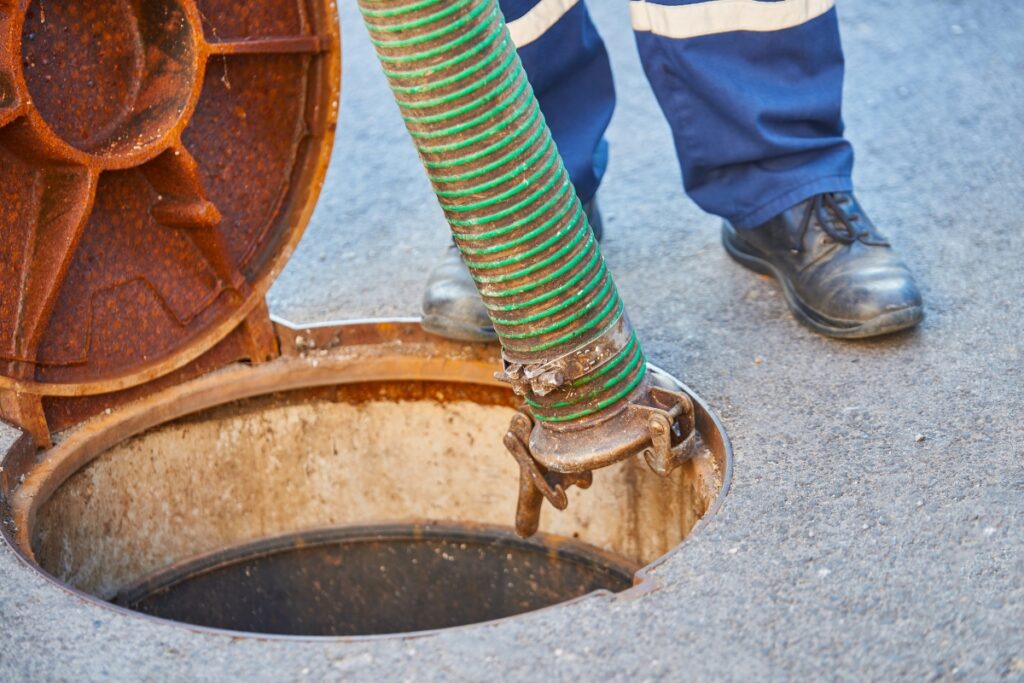
When you call for emergency septic pumping, we get the important information and send out the crew that is closest to you, usually within two hours. Once we arrive, we locate your tank, dig out the lids if needed, and fire up the vacuum trucks to pump everything out. We also scrape out sludge buildup and check for obvious damage.
Most jobs take 1-3 hours, depending on your tank size and its accessibility. Severe septic drainfield problems might need extra assessment time, but we move fast because we know you need your plumbing back quickly. We’ll walk you through exactly what we’re finding and what happens next; no mystery charges or confusing jargon.
When Pumping Alone Is Not Enough
Sometimes, pumping fixes the immediate crisis but reveals bigger issues lurking underneath. Here’s what that looks like.
Drainfield disasters cause about 40% of septic emergencies. If sewage keeps surfacing in your yard after we pump, or the ground stays permanently soggy, your absorption area might be toasted. That needs septic system repair beyond basic pumping.
Tank damage shows up during pumping: cracks, collapses, or serious wear and tear. Tanks usually last 40+ years, but ground shifts, vehicles driving overhead, aggressive tree roots, or harsh chemicals can wreck them early.
Broken components like inlet and outlet baffles mess up wastewater flow. Even a freshly pumped tank will back up again if these parts are shot. We catch these issues during our service calls.
REPAIR VS. REPLACE: System under 20 years with one busted component? Repair it. System over 25 years old, falling apart repeatedly? Replacement usually costs less long-term.
How to Prevent Future Septic Emergencies
Smart habits massively cut your odds of facing another septic tank emergency. Here’s what actually works.
Most homes need septic tank pumping service every 3-5 years, but your schedule depends on household size, tank capacity, and water usage. We track pumping dates for our Florence, Salem, Eugene, and Springfield, OR customers and send reminders when you’re due.
- Never flush these items: Feminine products, wipes (yes, even the “flushable” liars), grease, coffee grounds, medications, cat litter, or paper towels. They don’t break down, and they create blockages that lead straight to septic system failure.
- Conserve water smartly. Fix leaky toilets; they blow through 200+ gallons daily. Install low-flow fixtures, spread laundry across the week, and take shorter showers. These tweaks prevent system overload.
- Get annual inspections. Professionals catch small problems before they explode into emergencies. Properties with yearly checkups experience 60% fewer emergency failures, according to wastewater tech associations.
- Protect your drainfield. Never park vehicles over it, skip the deep-rooted trees nearby, redirect gutters away from it, and don’t build anything on top of it. These septic maintenance tips prevent septic drainfield problems down the road.
- Support the bacteria. Bacteria in your tank help break down waste. Don’t use too much bleach in your drains, use septic-safe toilet paper, and don’t use antibacterial soaps or harsh chemicals too much.
Act Before Disaster Strikes
If you can spot warning signs early, act quickly during emergencies, and keep your system in good shape, septic system failurewon’t be as scary. The difference between a disaster and a quick fix is usually how quickly you get professional sewage backup help and how well you’ve been keeping up with maintenance.
Best Septic Tank Pumping built a reputation across Florence, Salem, Eugene, and Springfield, OR, on responsive emergency septic pumping that protects homes when things go sideways. Our crew handles everything from straightforward pumping to complex septic system repair jobs, and we get that 24/7 septic service means preventing health hazards and property damage that get worse every hour. Prevention beats emergency response every time—regular septic tank pumping service, professional inspections, and smart household choices keep your system humming for decades.
Don’t wait until sewage is backing up into your bathtub to find out your system needs attention. Call Best Septic Tank Pumping today at (541) 484-0844 to schedule maintenance or talk through your property’s specific needs. Our team is standing by to make sure you never face a septic backup in your house without expert help just a phone call away.